
Introduction
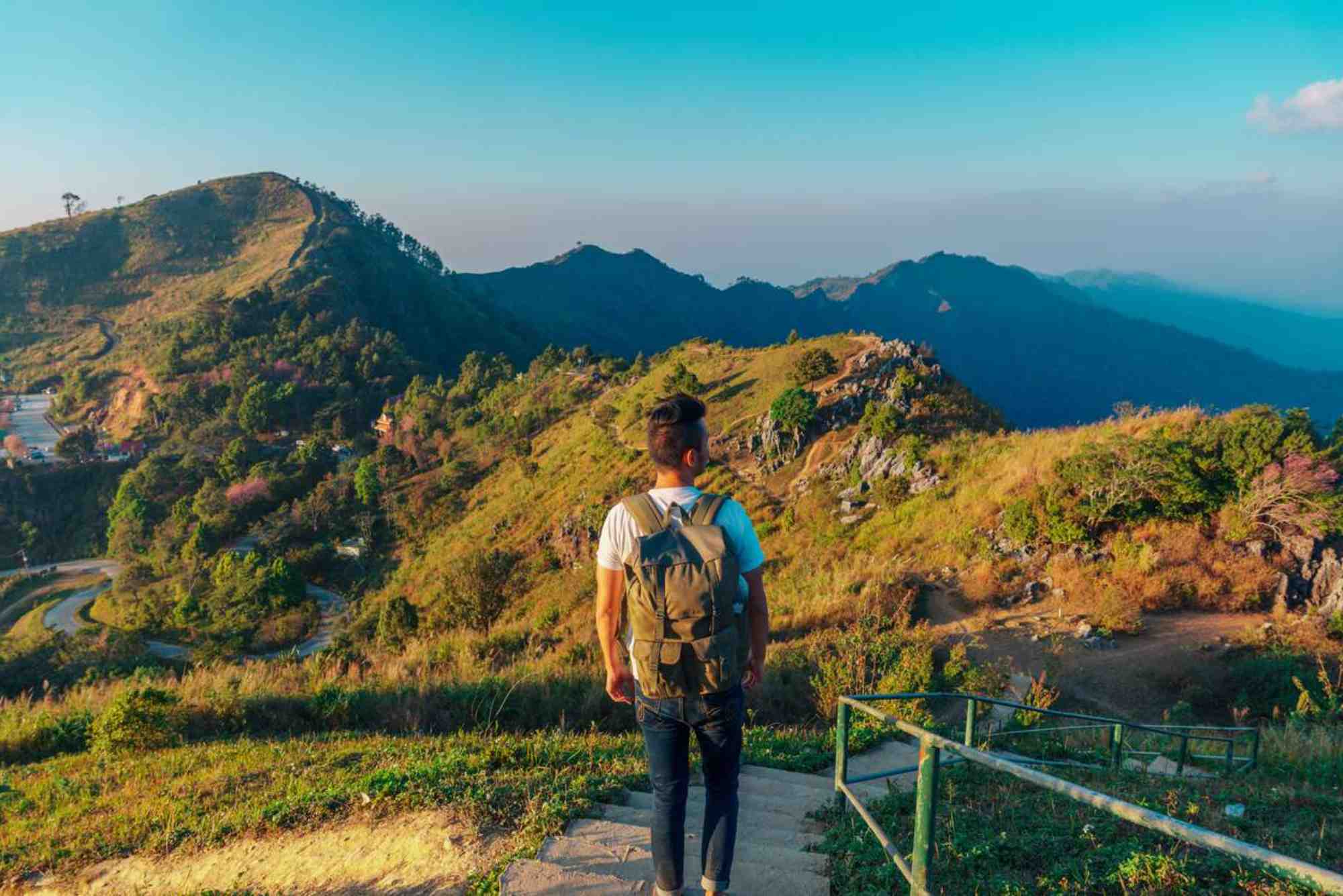
Thailand is not just a land of golden temples, bustling markets, and stunning beaches; it also boasts some of Southeast Asia’s most diverse and breathtaking hiking trails. From the misty mountains of the north to the tropical forests in the south, hiking in Thailand offers an immersive experience in nature, culture, and adventure. Whether you are a seasoned trekker or a beginner looking for a scenic walk, this complete guide will help you explore Thailand’s trails safely, efficiently, and memorably.
Why Hiking in Thailand is Unforgettable
Thailand’s terrain is incredibly varied, making it a hiker’s paradise. In the north, the region around Chiang Mai and Chiang Rai is dotted with lush mountains, rolling hills, and traditional hill-tribe villages. Central Thailand offers gentle treks through fertile plains and national parks, while the south features tropical rainforests, waterfalls, and limestone cliffs along coastal regions. The combination of natural beauty, wildlife, and cultural encounters sets Thailand apart from many other hiking destinations.
Hiking in Thailand allows you to experience nature intimately. Trails wind through dense jungles where exotic birds, butterflies, and occasional monkeys thrive. Misty mornings reveal panoramic mountain views, while evening sunsets cast golden hues over rice terraces and forests. Beyond the visuals, trekking provides a chance to engage with local communities, understand traditional lifestyles, and explore off-the-beaten-path villages where time seems to slow down.
Best Hiking Trails Across Thailand
Northern Thailand: Chiang Mai and Chiang Rai
The northern region of Thailand is a treasure trove of hiking opportunities. Trails in Chiang Mai, such as those in Doi Inthanon National Park, offer high-altitude trekking with stunning vistas and waterfalls. Doi Inthanon, Thailand’s highest peak, rewards hikers with cooler temperatures, rare flora, and the famous King and Queen Pagodas overlooking misty valleys. Chiang Rai, on the other hand, provides more remote trails through hill-tribe territories, dense forests, and serene mountain landscapes. Here, you can discover unique cultures, colorful markets, and homestays that enrich your trekking experience.
Central Thailand: National Parks and Forests
Central Thailand may not have towering mountains, but it offers beautiful lowland treks and accessible trails perfect for beginners. Khao Yai National Park, a UNESCO World Heritage Site, features lush jungles, cascading waterfalls, and abundant wildlife such as elephants, gibbons, and hornbills. Trails here range from short walks to multi-day treks that connect different park areas. Central Thailand is ideal for hikers who want a blend of nature and convenience, as many trails are near major cities with good infrastructure.
Southern Thailand: Coastal and Rainforest Treks
Southern Thailand offers a unique mix of tropical rainforest and coastal hiking. Trails around Khao Sok National Park are some of the most rewarding, with towering limestone cliffs, dense jungle, and tranquil lakes. Multi-day treks allow hikers to camp in floating bungalows, paddle on emerald rivers, and spot wildlife like hornbills and gibbons. On islands such as Koh Lanta and Koh Phangan, hiking paths lead to hidden beaches and panoramic viewpoints, making the combination of trekking and coastal scenery unforgettable.
Planning Your Hiking Adventure
Choosing the Right Trail
Selecting the right trail depends on your experience level, physical fitness, and interests. Beginners should consider short day hikes in national parks or trails with well-marked paths and moderate elevation changes. Experienced hikers may prefer multi-day treks through remote regions, high-altitude routes, or trails requiring technical skills like river crossings or climbing. Research trail difficulty, length, and weather conditions to ensure a safe and enjoyable experience.
When to Go Hiking in Thailand
Timing is crucial for a successful hiking trip in Thailand. The best period is during the cool and dry season, typically from November to February. During this time, temperatures are comfortable, humidity is lower, and trails are safer. Avoid the rainy season from June to October, as heavy rainfall can make trails slippery, rivers dangerous to cross, and accessibility limited. For southern coastal hikes, check tides and weather forecasts carefully, as tropical storms can appear unexpectedly.
Essential Gear and Equipment
Proper gear can make the difference between a pleasant hike and a dangerous one. Lightweight, breathable clothing is essential in Thailand’s hot and humid climate. A sturdy pair of hiking shoes or boots with good grip is a must, especially for muddy trails. Other essentials include a backpack with water, snacks, a first-aid kit, insect repellent, a rain jacket, and a hat for sun protection. For longer treks, consider trekking poles, a portable water filter, and a reliable map or GPS device.
Accommodation and Homestays
Thailand offers diverse accommodation options for hikers. National parks often have campsites or ranger stations where you can stay overnight. Many northern villages and hill-tribe communities provide homestays, giving you a unique cultural experience. Booking in advance is recommended for popular areas, while some remote trails require permits or advance notice to local authorities. Staying in local accommodations also helps support the community and ensures a richer travel experience.
Safety Tips for Hiking in Thailand
Understanding Wildlife and Environment
Thailand’s jungles are home to various wildlife, including snakes, monkeys, and insects. While encounters with dangerous animals are rare, it is important to remain cautious and avoid feeding wildlife. Stay on marked trails to prevent encounters with venomous snakes and reduce your impact on fragile ecosystems. Carry a basic first-aid kit and know how to treat minor injuries like cuts, scrapes, or insect bites.
Weather and Terrain Considerations
Sudden weather changes are common in Thailand’s mountains and forests. Always check the forecast before setting out and be prepared for rain or temperature drops. Trails can become slippery during the wet season, so walking sticks and good footwear are crucial. Carry enough water and avoid hiking alone in remote areas, as dehydration or injuries can become serious without immediate help.
Navigation and Communication
Not all trails in Thailand are well-marked. Carry a physical map, download offline GPS maps, or hire a local guide for unfamiliar areas. Mobile signal may be weak in remote regions, so informing someone of your planned route and estimated return time is wise. Local guides not only improve safety but also enrich the experience by sharing cultural knowledge and pointing out hidden natural features.
Cultural Etiquette While Hiking
Thailand’s natural areas often overlap with local communities and sacred sites. Respect local customs, avoid loud behavior, and dress modestly when visiting temples or villages. Remove shoes when entering homes or sacred spaces, and always ask permission before photographing people. Supporting local businesses and following “leave no trace” principles ensures that trekking benefits both the environment and communities.
Food and Hydration on the Trail
Staying hydrated is critical in Thailand’s tropical climate. Carry at least two liters of water for day hikes, more for longer treks. Local markets and villages often offer fresh fruits, snacks, and meals, making it convenient to replenish energy. Lightweight, high-energy snacks such as nuts, dried fruits, and energy bars are recommended for longer hikes. Avoid drinking untreated water from streams or rivers without proper filtration.
Health Considerations
Thailand’s climate and terrain can be challenging for hikers. Heat exhaustion, dehydration, and insect-borne diseases like dengue are risks to be aware of. Apply sunscreen, wear a hat, and take regular breaks in shaded areas. Consider vaccinations recommended for travel to Thailand and carry basic medication for common ailments. Knowing basic first aid, including how to treat cuts, sprains, and insect bites, adds an extra layer of preparedness.
Connecting with Local Hiking Communities
Joining local hiking groups or online forums can enhance your experience. Thailand has an active community of hikers who share trail information, safety updates, and cultural tips. Participating in organized treks can provide companionship, guidance, and opportunities to explore less-known trails safely. Engaging with local guides not only supports the economy but also gives insights that are often not found in guidebooks.
Start Your Hiking Adventure
Complete Hiking Guide to Thailand offers an extraordinary combination of natural beauty, cultural richness, and adventurous exploration. With the right preparation, awareness, and respect for the environment and local communities, every trek becomes a memorable journey. Whether you aim to conquer northern peaks, explore central forests, or wander through southern rainforests, Thailand’s trails are waiting to reveal their magic. Start planning your hiking adventure today and experience Thailand from a perspective few travelers witness.
Frequently Asked Questions
What is the best time to go hiking in Thailand?
The best time is during the cool and dry season, from November to February, when temperatures are comfortable and trails are safer.
Are there difficult hiking trails in Thailand?
Yes, northern Thailand offers high-altitude treks and multi-day routes for experienced hikers, while central and southern regions provide easier trails.
Do I need a guide for hiking in Thailand?
While not always required, hiring a local guide is recommended for remote areas to enhance safety and cultural understanding.
Is it safe to hike alone in Thailand?
Hiking alone is possible on popular trails but is not recommended in remote regions due to unpredictable terrain and limited communication options.
What should I pack for a hiking trip in Thailand?
Essential items include sturdy footwear, water, snacks, insect repellent, rain gear, a hat, a first-aid kit, and navigation tools like maps or GPS.