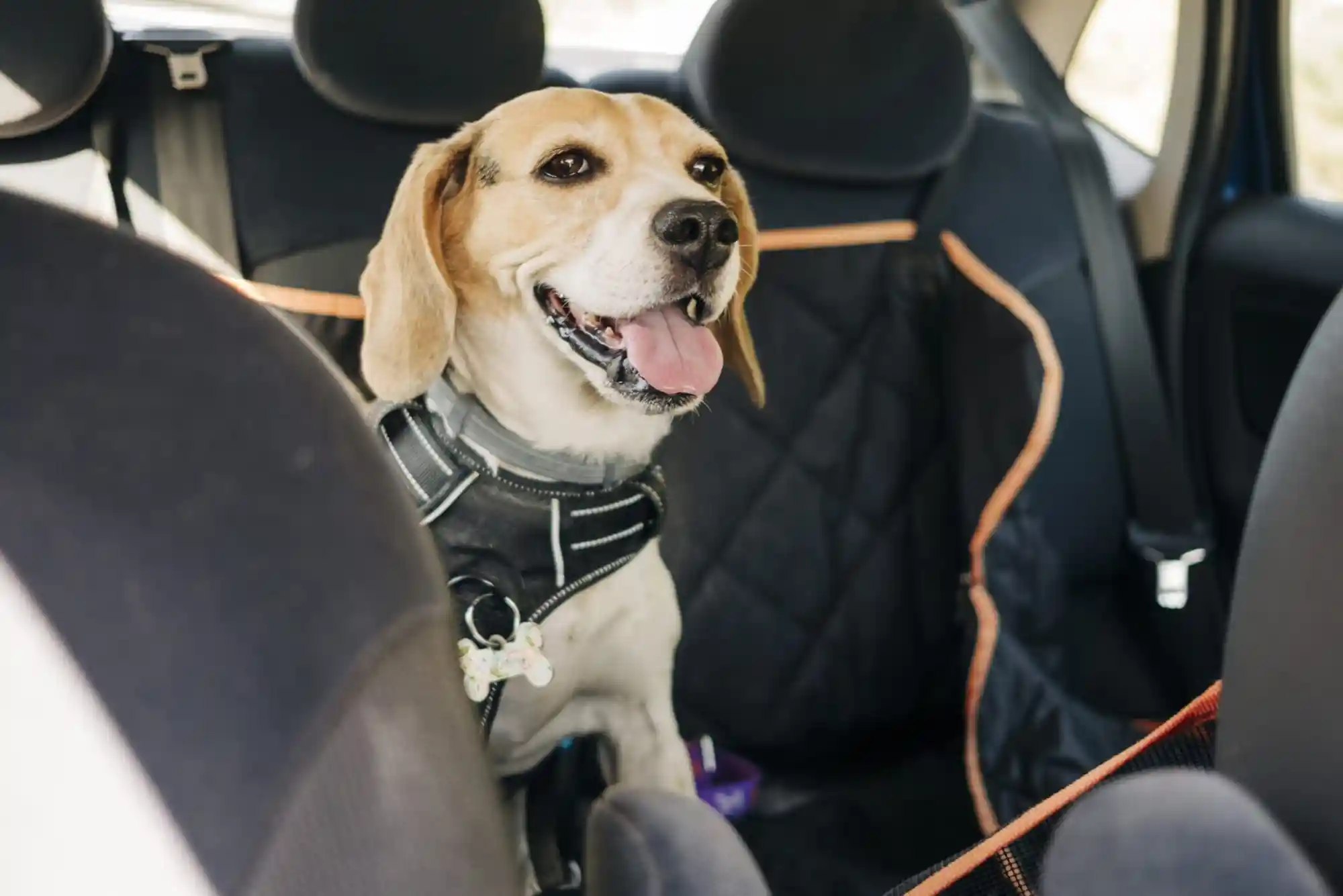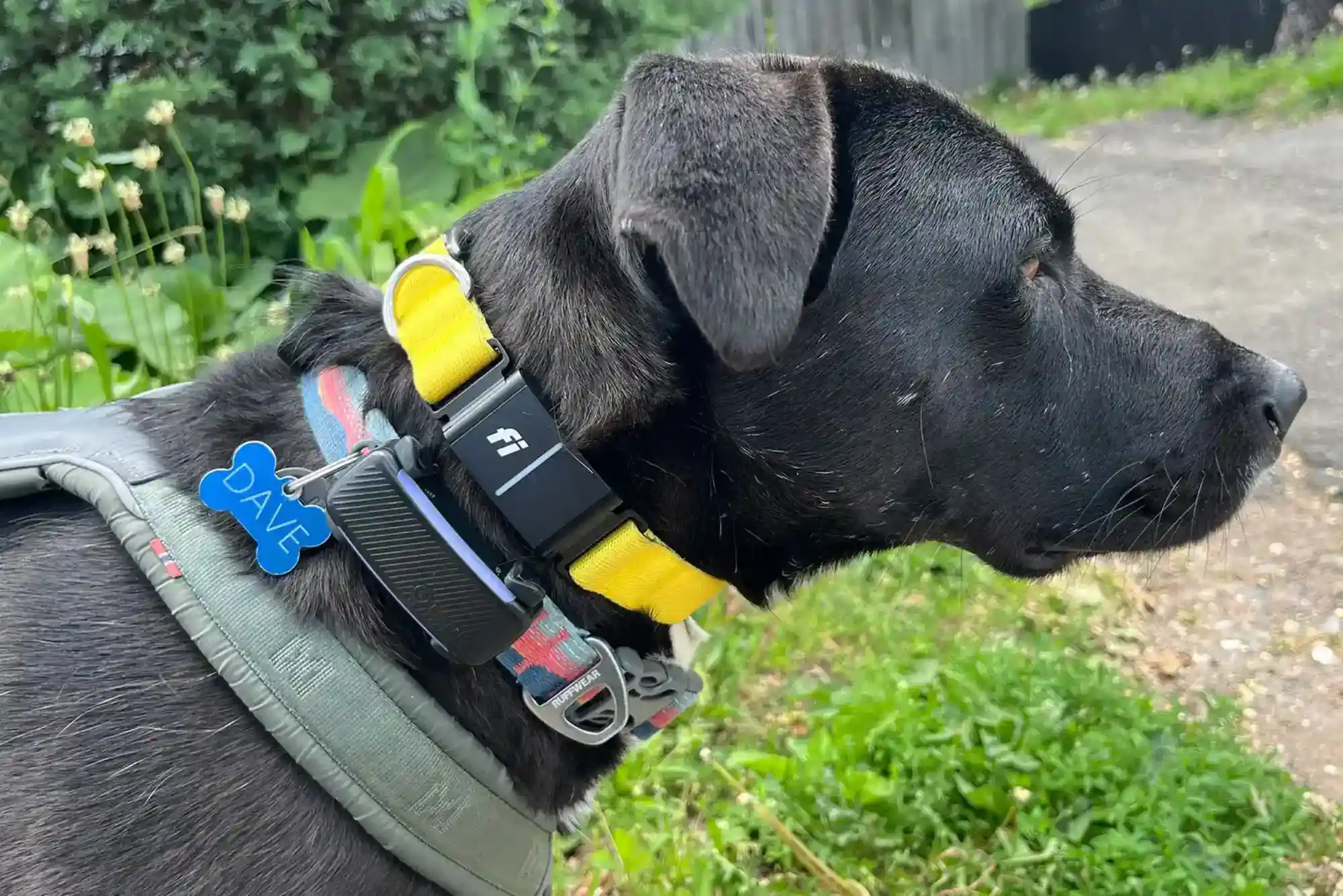

Introduction
Summer travel with a dog can be wonderful, but heat adds another layer of planning. A long road trip, sunny campsite, beach day, or even a short walk can become uncomfortable when temperatures rise. That is where the best cooling dog bandanas and cooling gear for travel in summer heat can make a practical difference.
Cooling gear does not replace shade, water, air conditioning, or sensible activity levels. Instead, it works as part of a broader heat-management routine. Cooling bandanas can provide localized evaporative cooling, while cooling vests, mats, portable water bowls, and travel fans can make different parts of a journey more comfortable.
Dogs are particularly vulnerable to overheating because panting is their primary way of releasing excess heat. Certain dogs, including flat-faced breeds, older dogs, overweight dogs, and dogs with thick coats, can be at greater risk.
The goal is not simply to buy the coldest product available. It is to choose equipment that suits your dog’s body, temperament, travel plans, and the actual weather conditions.
Why Cooling Gear Matters During Summer Travel
Travel exposes dogs to heat in several ways that owners may overlook. A vehicle can become dangerously hot surprisingly quickly, while asphalt and concrete can retain substantial heat even after the air temperature begins to fall.
A dog may also become overheated because of excitement. Many dogs continue playing, walking, or exploring even when they should be resting. Panting is normal after activity, but heavy or persistent panting, excessive drooling, weakness, vomiting, confusion, or collapse can signal serious heat stress.

This is why the best cooling dog bandanas and cooling gear for travel in summer heat should be viewed as supporting equipment rather than a guarantee of safety.
A soaked bandana may make a short shaded walk more comfortable. A cooling mat can provide a cooler resting surface at a hotel or campsite. A portable bowl makes hydration easier, and a cooling vest can provide more coverage than a bandana.
The most effective approach combines these tools with frequent breaks, shade, hydration, and appropriate scheduling.
How Cooling Dog Bandanas Work
Most cooling dog bandanas rely on water and evaporation. You wet the fabric, wring out excess water, and place the bandana around the dog’s neck. As moisture evaporates, heat is carried away from the surface.
Some products use specially designed absorbent materials, while others incorporate cooling inserts or gel-like materials. The exact mechanism varies, so it is worth checking the manufacturer’s instructions rather than assuming every “cooling” bandana works in the same way.
The advantage of a bandana is simplicity. It is lightweight, portable, and usually easier for a dog to tolerate than a full vest. It can also be reactivated with water during a trip.
However, its cooling area is relatively small. A bandana should therefore not be treated as sufficient protection during dangerously hot conditions. Research and veterinary guidance consistently emphasize that cooling accessories are secondary to controlling exposure to heat.
What Makes the Best Cooling Dog Bandanas?
The best cooling dog bandanas are not necessarily the thickest or most heavily marketed. Fit, comfort, usability, and the environment where you plan to use the product matter more.
Comfortable and Adjustable Fit
A bandana should sit securely without pressing tightly against the dog’s neck. An adjustable closure is useful because dogs vary considerably in neck size and body shape.
Before traveling, allow your dog to wear the bandana at home for short periods. This gives you an opportunity to check whether your dog scratches at it, tries to remove it, or shows signs of discomfort.
Lightweight Materials
Travel gear should not add unnecessary weight. A lightweight bandana that can be soaked and reused is generally more convenient than a bulky product that takes up considerable space in your travel bag.
For long-haired dogs, pay attention to how the wet material interacts with the coat. A product that remains excessively damp against the skin may become uncomfortable, particularly in humid weather.
Easy Rewetting
A good travel bandana should be easy to refresh. If you can quickly wet it at a rest stop, campsite, or outdoor water station, it becomes much more useful during a trip.
This is particularly important because evaporative cooling depends on moisture. In humid conditions, evaporation can be less effective, so a bandana should never be treated as a fixed-duration cooling solution.
Cooling Vests for Dogs Who Need More Coverage
A cooling vest covers considerably more surface area than a bandana. That makes it an attractive option for dogs that tolerate clothing and spend more time outdoors.
Evaporative vests generally work by absorbing water and allowing it to evaporate gradually. Other designs use phase-change materials or different cooling technologies.
The best choice depends on your environment. Evaporative products can be convenient because they can usually be refreshed with water. However, their performance depends partly on evaporation, meaning very humid conditions can reduce their effectiveness.
A vest should also fit properly. It should not restrict breathing, movement, or normal panting. A dog that repeatedly tries to remove the vest may be telling you that the design is uncomfortable.
For active travel, test the vest before the trip. A dog should never encounter unfamiliar cooling equipment for the first time halfway through a long hike.
Cooling Mats for Road Trips and Hotel Stays
A cooling mat solves a different problem from a cooling bandana. Instead of cooling the dog while walking, it gives the dog a cooler place to lie down and recover.
This makes cooling mats particularly useful for road trips, hotel rooms, patios, and campsites. Some are pressure-activated and do not require electricity, refrigeration, or water. Others use water or gel-based designs.
Choose a mat that matches your dog’s size and behavior. If your dog frequently chews or scratches bedding, inspect the construction carefully and supervise use.
A mat is also useful because dogs can choose whether to lie on it. That can be preferable to forcing a wearable product on a dog that dislikes clothing.
Portable Water Bowls Are Essential Travel Gear
Cooling products receive most of the attention, but hydration remains one of the most important parts of summer travel.
A collapsible water bowl takes very little room in a travel bag and makes it easier to offer water during walks and driving breaks. Keep fresh water available rather than relying on a dog to wait until the next scheduled stop.
Veterinary guidance recommends frequent opportunities for dogs to drink during warm-weather activities.
It is also useful to carry more water than you expect to need. Delays happen. A traffic jam, unexpected detour, long trail, or broken water fountain can quickly change your plans.
Portable Fans and Cooling Accessories
A small battery-powered fan can improve airflow in a tent, campsite, or other suitable area. Fans are most useful when combined with shade and a genuinely cooler environment.
Other useful accessories include insulated water bottles, cooling towels, reflective travel covers, and breathable travel beds.
The key is to think about the entire travel environment rather than buying a single “miracle” product. If your dog is already struggling in the heat, adding another accessory is not a substitute for moving them somewhere cooler.
How to Choose Cooling Gear for Different Dogs
Every dog responds differently to heat.
A thick-coated dog may appreciate broader cooling coverage, while a dog that dislikes clothing may be much happier with a lightweight bandana. A short-nosed breed requires particular caution because brachycephalic dogs can have greater difficulty dissipating heat through panting. Older dogs and dogs with certain health conditions may also have increased heat risk.
Your dog’s temperament matters too. Some dogs happily wear a vest, while others immediately try to pull it off. There is little benefit to owning an excellent cooling product if your dog refuses to wear it.
Consider the activity as well. A bandana may be perfectly practical for a brief morning walk. A cooling mat may be more useful for relaxing at a hotel. A vest may make more sense for a supervised outdoor adventure.
How to Use Cooling Gear Safely
Introduce new cooling equipment before your trip. Start indoors and allow your dog to investigate the product. Keep initial sessions short and reward calm behavior.
Check the fit regularly. Wet fabric can behave differently from dry fabric, and movement during walking can cause accessories to shift.
Do not rely on cooling gear to make extreme conditions safe. Cornell’s veterinary guidance recommends limiting activity during hotter parts of the day, providing shade and water, avoiding strenuous exercise, and keeping dogs indoors in extreme temperatures.
Hot pavement deserves special attention. If the surface is too hot for you to comfortably keep your hand against for several seconds, it may be too hot for your dog’s paws.
Most importantly, never leave your dog unattended in a parked vehicle. Cracking the windows does not make a parked car safe, and temperatures can rise rapidly even when the weather initially feels moderate.
Recognizing When Cooling Gear Is Not Enough
One of the most important parts of summer travel is knowing when to stop treating the situation as ordinary discomfort.
Heavy or worsening panting, excessive drooling, weakness, reluctance to move, vomiting, confusion, breathing difficulty, seizures, or collapse can indicate heat-related illness.
If you suspect your dog is overheating, move them immediately into a cooler environment and begin appropriate cooling while seeking veterinary assistance. Cool water and airflow can be useful, but serious heatstroke requires urgent veterinary care.
Do not continue a hike or road-trip stop simply because your dog is wearing a cooling bandana. The product cannot reverse dangerous environmental exposure.
Planning a Safer Summer Road Trip With Your Dog
Good planning can make cooling gear much more effective.
Schedule walks for cooler parts of the day. Build regular rest and water breaks into longer drives. Keep the vehicle comfortably air-conditioned while your dog is inside, and avoid unnecessary stops where your dog would be exposed to direct heat.
Before leaving home, test every item you plan to use. Make sure the bandana fits, the vest does not interfere with movement, the cooling mat fits inside your accommodation, and your dog is comfortable using everything.
Pack extra water, a collapsible bowl, towels, your dog’s normal food, medications if prescribed, identification information, and basic first-aid supplies.
If you are traveling somewhere unfamiliar, identify an emergency veterinary clinic near your destination before you leave. That small step can save valuable time if something goes wrong.
Are Cooling Dog Bandanas Worth It?
For the right situation, yes. A cooling bandana can be a convenient comfort accessory for short, supervised activities in warm weather.
But expectations matter. It does not make extreme heat safe, replace hydration, or prevent heatstroke by itself. Its greatest advantage is convenience: it is lightweight, easy to carry, and simple to reactivate with water.
The best cooling dog bandanas and cooling gear for travel in summer heat are therefore the products that complement a sensible heat-safety plan rather than attempt to replace one.
Think of the bandana as one part of your dog’s summer travel kit—not the entire solution.
FAQs
How can I keep my dog cool in the summer?
Provide plenty of fresh water, shade, and access to a cool indoor environment. Schedule walks during cooler periods and reduce strenuous activity during hot weather. Cooling mats, bandanas, and vests can add comfort but should complement these basic precautions.
Do cooling bandanas work for dogs?
Cooling bandanas can provide some localized cooling, particularly when they use evaporative fabric and are properly wet and fitted. However, they cover only a small part of the body and are not sufficient protection against dangerous heat.
What are the signs of heatstroke in dogs?
Warning signs can include heavy panting, excessive drooling, weakness, vomiting, difficulty breathing, confusion, seizures, and collapse. Heatstroke is a veterinary emergency, so suspected cases require immediate action and professional veterinary care.
How can I keep my dog cool in 90-degree weather?
At around 90°F (32°C), conditions can become particularly challenging, especially with humidity, direct sunlight, exercise, or poor ventilation. Prioritize air conditioning or another genuinely cool environment, fresh water, shade, and minimal outdoor activity. Do not depend on a cooling bandana to make prolonged outdoor activity safe.
What temperature is too hot for dogs?
There is no single temperature that is safe or dangerous for every dog. Humidity, sunlight, exercise, breed, coat, age, health, and acclimation all matter. Flat-faced dogs, older dogs, thick-coated dogs, and dogs with certain medical conditions can be at higher risk.
Can dogs overheat in a car even with the windows open?
Yes. A parked vehicle can become dangerously hot very quickly, even when windows are partially open or the vehicle is parked in shade. Dogs should never be left unattended in a parked car.
The best cooling dog bandanas and cooling gear for travel in summer heat can make warm-weather adventures more comfortable when they are chosen thoughtfully and used correctly. A lightweight bandana can work well for short walks, while a cooling vest offers broader coverage and a cooling mat provides a comfortable place to recover.
Still, the fundamentals matter most: fresh water, shade, ventilation, air conditioning when available, cooler travel times, frequent breaks, and careful observation of your dog’s behavior.