Introduction
Malaysia has become increasingly dynamic in its approach to payments, offering both traditional cash methods and modern cashless solutions. For travelers, expatriates, and locals alike, understanding the payment landscape is essential to navigate everyday transactions smoothly. Whether you are buying street food in Kuala Lumpur, paying for public transport, or settling bills online, knowing your options ensures convenience, safety, and efficiency. This guide will explore Malaysia’s payment systems in depth, helping you confidently manage both cash and cashless transactions.
Understanding Cash Payments in Malaysia
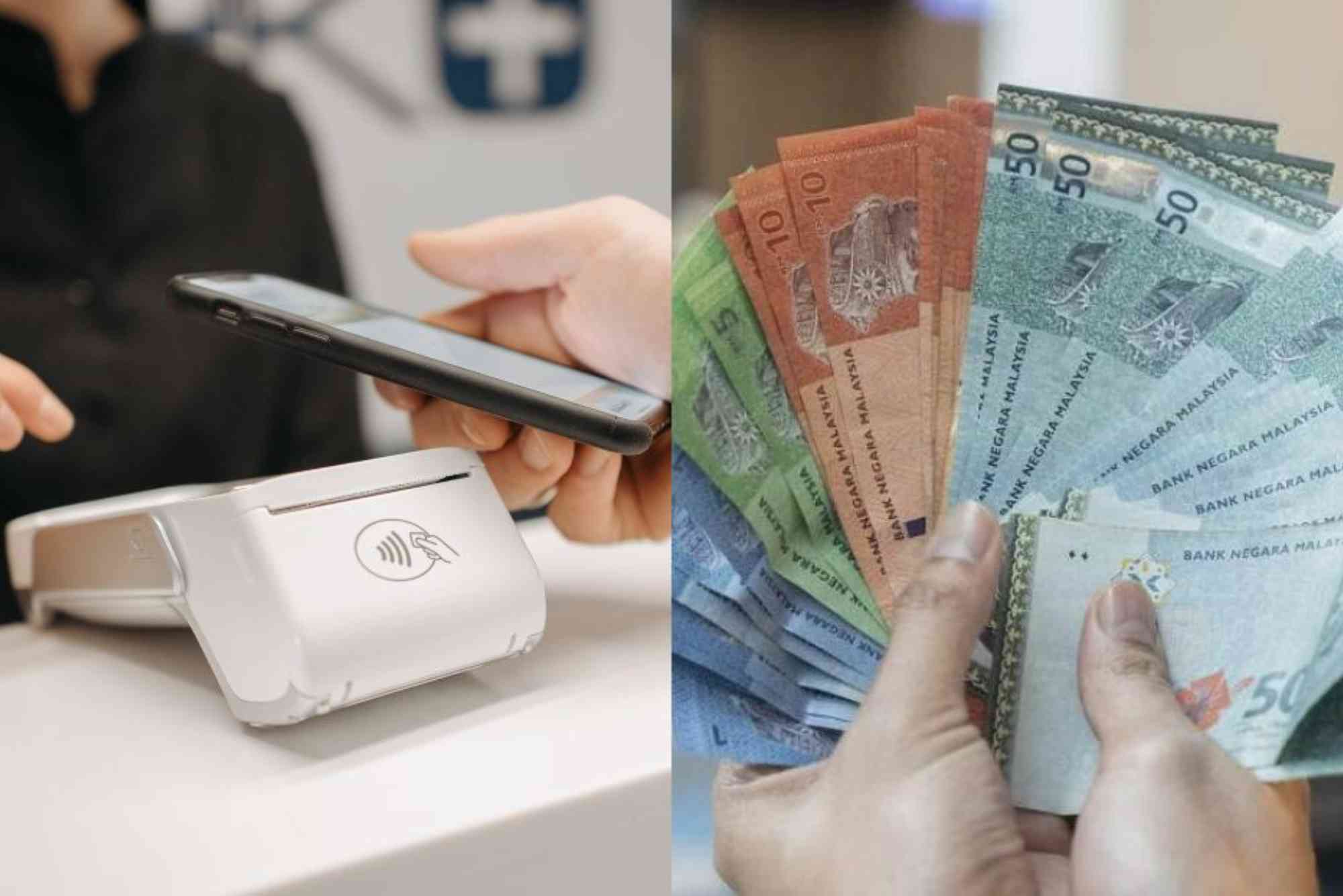
Cash has long been a staple for daily transactions in Malaysia. While digital payments are growing, cash still plays a crucial role, especially in smaller towns, rural areas, and local markets. The Malaysian Ringgit (MYR) is the official currency, with coins and banknotes widely accepted.
Everyday Cash Usage
In many local settings, cash remains the easiest method for small purchases. Street vendors, hawker stalls, and local transportation often prefer cash, as it avoids transaction fees and connectivity issues. It is advisable to carry small denominations, as many vendors may not have change for larger bills.
Security Tips for Using Cash
While convenient, handling cash requires precautions. Keep money in secure wallets or money belts, avoid carrying large sums, and be cautious in crowded areas. ATMs are widely available across cities and towns, but always use those in safe, well-lit locations.
Cashless Payment Options in Malaysia
Over the last decade, Malaysia has seen a rapid rise in cashless payment adoption. From contactless cards to mobile wallets, digital payments provide convenience and traceability.
Credit and Debit Cards
Major international cards such as Visa, Mastercard, and American Express are widely accepted in urban centers. Using cards is particularly convenient for hotels, shopping malls, and restaurants. Many businesses also offer contactless “tap-and-go” options for faster transactions.

Mobile Wallets and E-Wallets
E-wallets have surged in popularity, with platforms such as Touch ‘n Go, GrabPay, and Boost leading the market. These digital wallets allow users to pay via smartphones, scan QR codes, and even transfer money instantly to other users. Promotions and cashback rewards often make e-wallet payments a cost-effective alternative.
Online Banking and Internet Transfers
Many Malaysians prefer online banking for bill payments, subscriptions, and large transactions. Real-time fund transfers and automatic billing simplify routine financial management. Banks also provide secure mobile applications for transactions on the go.
Contactless and QR Payments
QR code payments have become ubiquitous, especially for small businesses. With just a scan from your smartphone, transactions are completed instantly. This method reduces the need for cash and provides a paperless, quick payment solution.
Comparing Cash and Cashless Payments
Choosing between cash and cashless depends on convenience, location, and personal preference. Cash remains essential in rural or informal settings, while urban areas increasingly favor digital payments.
Benefits of Cash
Cash provides immediate settlement without the need for connectivity. It is universally accepted and requires no registration, making it simple for tourists and locals alike.
Benefits of Cashless Payments
Digital payments offer traceability, Malaysia Payment Guide: Cashless and Cash Basics convenience, and security. You can track spending, reduce the risk of theft, and access promotional offers. Mobile wallets also provide faster checkouts and easy online integration.
Practical Tips for Using Payments in Malaysia
Adapting to Malaysia’s payment culture requires awareness and preparation. Carrying a mix of cash and digital payment options ensures smooth transactions across various situations.
For urban trips, credit cards and e-wallets often suffice. However, for rural markets, small eateries, and taxis without digital infrastructure, cash remains indispensable. Being prepared with both ensures you never encounter payment issues.
Common Scenarios and Payment Recommendations
When shopping at a hypermarket, credit cards or mobile wallets are typically accepted, while small roadside stalls prefer cash. Transportation options vary: ride-hailing apps allow cashless payments, whereas local buses may require coins or small notes. Dining experiences also differ, with upscale restaurants preferring card payments and hawker centers favoring cash.
Navigating payments in Malaysia is easier when you understand both cash and cashless options. Combining traditional cash handling with digital tools ensures flexibility and security. Whether you are a tourist exploring local markets or a resident managing bills, being prepared for both payment methods enhances convenience and peace of mind. Start integrating cashless payments into your daily routine while keeping essential cash on hand for complete flexibility.
FAQs
What is the most common payment method in Malaysia?
Cash remains widely used, but urban areas increasingly rely on credit/debit cards and mobile wallets.
Can tourists use e-wallets in Malaysia?
Yes, many e-wallets allow foreign card registration, though some promotions may require a local phone number.
Are credit cards widely accepted in Malaysia?
Major cards are accepted in cities, malls, and restaurants, but cash is preferred in rural areas.
Is it safe to carry cash in Malaysia?
Yes, but carry moderate amounts, keep money secure, and avoid crowded areas with large sums.
Do I need Malaysian Ringgit for payments?
Yes, while digital payments often allow card conversions, local currency is necessary for many small vendors.