Introduction
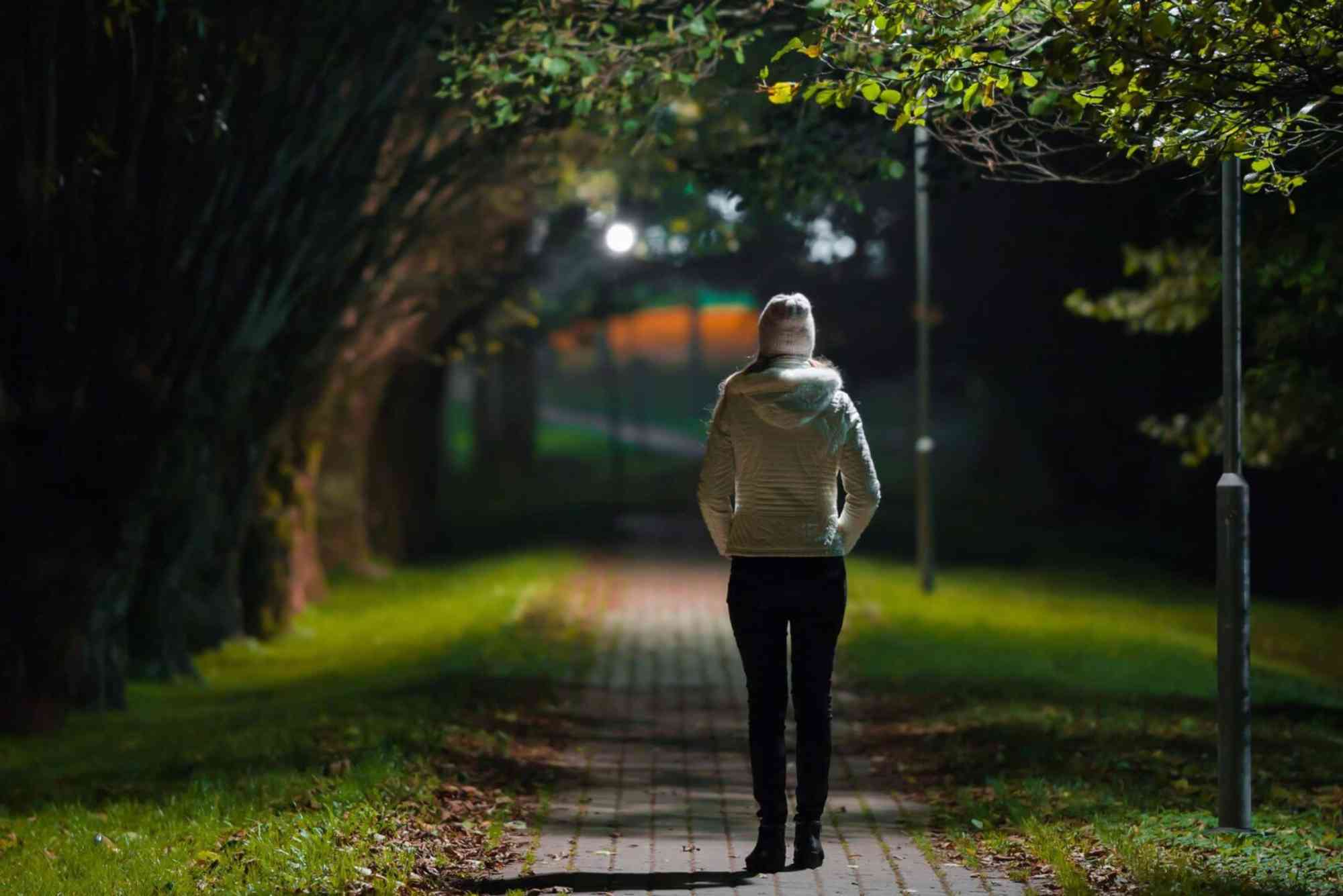
Exploring a new city or neighborhood at night can be thrilling, but it also comes with inherent risks. Whether you’re traveling for work, leisure, or simply exploring, staying safe during solo night walks is crucial. In this guide, we provide actionable tips for safer solo night walks in new places to help you enjoy your adventure while minimizing potential dangers. By following these strategies, you can feel confident and prepared, turning your night walks into memorable experiences rather than risky ventures.
Understanding the Risks of Solo Night Walks
Walking alone at night in an unfamiliar area presents unique challenges. Reduced visibility, lower foot traffic, and unfamiliar surroundings can make even a short stroll more dangerous than a daytime walk. Common risks include theft, harassment, getting lost, or accidents due to poorly lit paths. Understanding these risks is the first step toward protecting yourself. Awareness and preparation are your most powerful tools for maintaining safety.
Psychological Awareness and Situational Confidence
Confidence plays a key role in personal safety. Walking with your head up, maintaining an alert posture, and projecting calmness can deter potential threats. Criminals often target individuals who appear distracted, nervous, or unaware of their surroundings. By staying mentally present, you not only enjoy the walk more but also reduce the likelihood of encountering trouble.
Planning Ahead for Safer Night Walks
Preparation is the foundation of safe solo walking. Proper planning significantly reduces risk and ensures a smoother experience. Before heading out, consider the following strategies.
Research the Area
Familiarize yourself with the neighborhood. Identify well-lit streets, active areas, and any local safety advisories. Use local maps or apps to mark landmarks and safe routes. Knowing which areas to avoid is just as important as knowing the safe paths.
Share Your Itinerary
Inform someone you trust about your route and expected return time. Regular check-ins via messages or calls can provide reassurance to both parties. This step is especially important if you are in a completely new city or a neighborhood with limited foot traffic.
Time Your Walks Wisely
Avoid late-night hours in areas with limited lighting or activity. Walking during early evening or peak nighttime hours when streets are busier reduces exposure to risks. Timing your walk strategically also increases the chance of encountering helpful locals in case of emergencies.
Choosing the Right Gear for Safety
What you carry and wear can enhance both comfort and safety. Simple adjustments can make a significant difference in your ability to respond to unexpected situations.
Wear Comfortable and Functional Clothing
Dress in layers that allow for freedom of movement. Avoid overly flashy or expensive accessories that may attract unwanted attention. Shoes with good grip and support reduce the risk of slips or falls, particularly on uneven surfaces.
Carry Safety Tools
A small flashlight, whistle, or personal alarm can provide extra security. A fully charged phone with emergency contacts readily accessible is essential. If you feel confident, lightweight self-defense tools like pepper spray may be considered, following local laws and regulations.
Use Technology Wisely
Navigation apps help you stay oriented and avoid dangerous areas. Some apps even allow you to share your live location with trusted contacts. Additionally, wearable devices with emergency alert features can provide an added layer of protection.
Staying Vigilant During Your Walk
Safety during a solo night walk is not only about preparation but also about active vigilance. Being aware of your environment increases your ability to react quickly if a threat arises.
Trust Your Instincts
Your intuition is a powerful safety tool. If a location feels unsafe or a person behaves suspiciously, leave immediately. Trusting your instincts often prevents situations from escalating.
Keep Your Head Up and Avoid Distractions
Avoid staring at your phone or listening to loud music while walking. Distractions limit your awareness and make you a more vulnerable target. Stay attentive to surroundings, including nearby vehicles, pedestrians, and open businesses that could provide help if needed.
Walk with Confidence
Your posture, pace, and awareness communicate to others that you are not an easy target. Confident walkers appear self-assured, discouraging potential threats from approaching. Walking briskly without rushing is a balance that shows you are alert and capable.
Choosing Safe Routes and Locations
The streets you choose make a significant difference in safety. Opt for areas that minimize risk and maximize visibility.
Stick to Well-Lit Streets
Bright, populated areas reduce the chances of unwanted encounters. Avoid shortcuts through dark alleys, abandoned buildings, or poorly lit parks. Even if a shortcut saves time, the risks often outweigh the convenience.
Identify Escape Routes
Know where you can seek help if needed, such as cafes, convenience stores, or other public establishments. Planning your route with multiple exit points ensures you can quickly remove yourself from potentially dangerous situations.
Avoid Isolated Spots
Places like empty parking lots, construction sites, or secluded paths are high-risk areas for solo walkers. Stick to streets where other people are present or passing by frequently.
Building a Routine for Night Safety
Developing consistent habits improves safety over time. The more you integrate these practices into your nightly walks, the more instinctive they become.
Set a Maximum Walking Time
Avoid extending walks into late hours when streets may become deserted. Having a cutoff time ensures you are not caught in areas where help is limited.
Check in With Someone
Frequent check-ins create a support system. Even a quick text or call confirms your location and provides reassurance. Consistency with check-ins makes it easier for others to respond quickly if something goes wrong.
Learn Local Emergency Numbers
Different cities and countries have varying emergency services. Know the local police, ambulance, or emergency hotline numbers and have them saved on your phone. Quick access can be critical in case of accidents or threats.
Handling Unexpected Situations
Despite preparation, unexpected incidents can occur. Knowing how to respond reduces panic and improves outcomes.
Stay Calm and Assess the Situation
If confronted with a threatening situation, take a moment to evaluate your surroundings. Avoid panicking; staying composed allows you to make strategic decisions.
Avoid Confrontation
Physical altercations or verbal arguments often escalate danger. Your primary goal is to remove yourself safely from the situation, not to challenge the aggressor.
Use Your Voice and Tools
A whistle, personal alarm, or loud shout can attract attention and deter potential attackers. Calling for help loudly is often enough to make threats reconsider approaching.
Benefits of Night Walks Despite Risks
Walking at night offers unique experiences, from cooler temperatures to quieter streets and city lights. Enjoying solo night walks safely can improve your sense of independence, confidence, and mindfulness. By taking precautionary steps, you preserve the joy of exploration while managing risks effectively.
Physical and Mental Health Benefits
Night walks improve circulation, reduce stress, and provide a reflective time for mental clarity. They are also a great opportunity to observe nightlife, architecture, or urban scenery in a way that daytime walks cannot offer.
Skill Development
Navigating unfamiliar areas safely enhances situational awareness, decision-making, and problem-solving skills. These capabilities extend beyond night walks, making you more adept in other aspects of travel and daily life.
Solo night walks in new places can be exciting and fulfilling, but safety must always come first. By planning your route, staying vigilant, carrying the right tools, and trusting your instincts, you can enjoy these walks while minimizing risk. The tips above provide a comprehensive framework to make your night explorations both safe and memorable. Prioritize preparation and awareness, and you will transform solo walks from a risky activity into a rewarding experience.
Take the first step toward safer night walks by implementing these strategies on your next solo outing. Your safety is your adventure’s foundation.
FAQ
How can I stay visible during a night walk?
Wear reflective clothing, carry a flashlight, and walk on well-lit paths to increase visibility to drivers and pedestrians.
Is it safe to walk alone in an unfamiliar city at night?
It can be safe if you plan carefully, stay aware, avoid isolated areas, and have a means to communicate with someone you trust.
What personal safety tools should I carry for solo night walks?
Carry a phone, whistle, personal alarm, and optionally pepper spray if legal in the area. A small flashlight is also recommended.
How do I choose a safe route for a night walk?
Select well-lit streets, avoid shortcuts through alleys or secluded areas, and plan paths near public establishments in case you need help.
Should I walk at night in unfamiliar places at all?
Yes, but only with preparation, situational awareness, and safety measures in place. Night walks offer unique experiences if done responsibly.