
Introduction
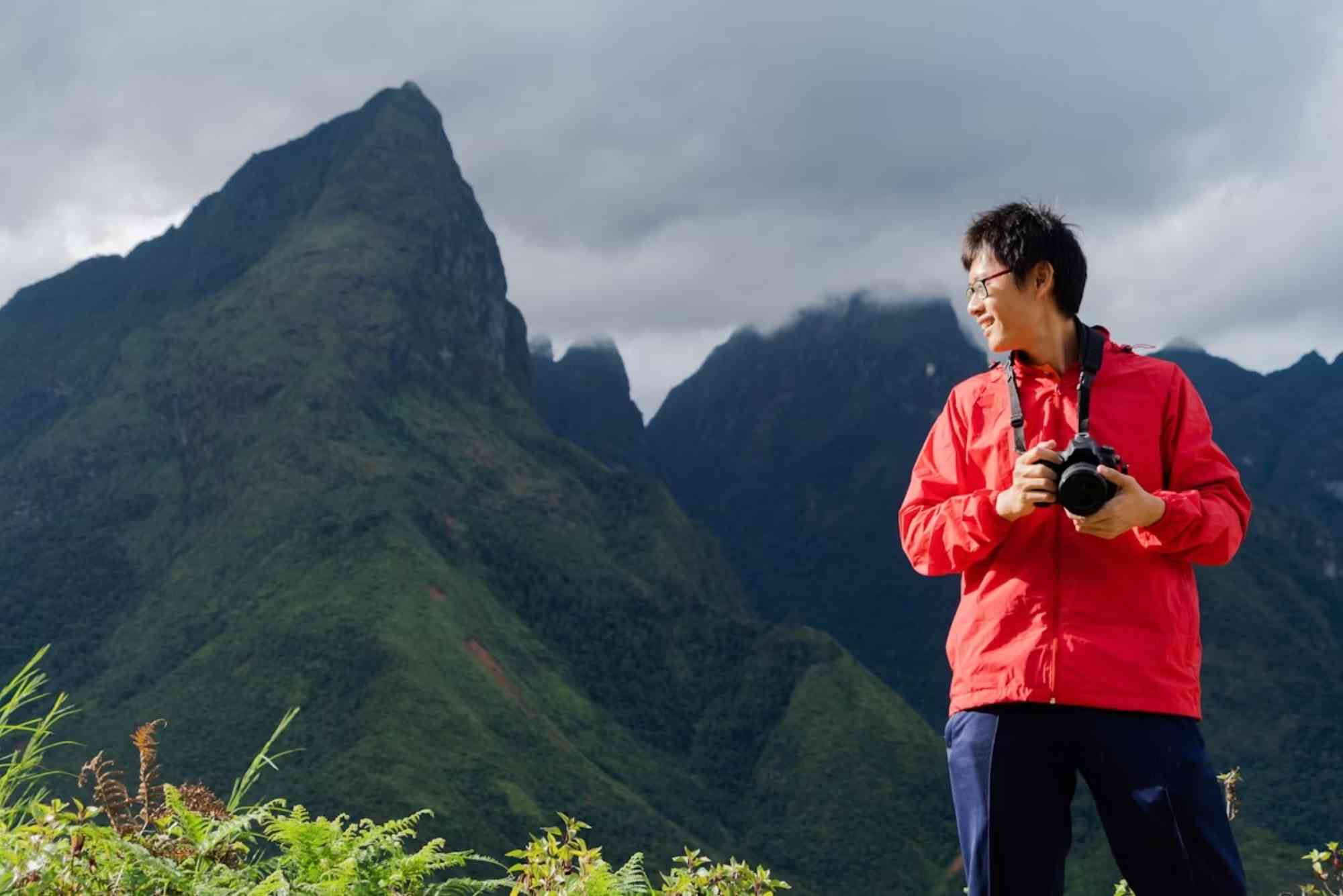
Vietnam is a treasure trove for nature enthusiasts, offering lush landscapes, dramatic mountains, and scenic coastlines. Hiking in Vietnam provides an extraordinary opportunity to experience its diverse terrain, rich culture, and hidden gems. Whether you are a beginner seeking gentle trails or an experienced trekker craving challenging ascents, Vietnam has a trail that will leave you in awe. This guide highlights the top 10 hikes in Vietnam, ensuring every level of hiker finds the perfect adventure.
Vietnam’s terrain is incredibly varied, ranging from misty highlands and dense jungles to terraced rice fields and rugged cliffs. Hiking here is not only a physical activity but also an immersive experience into local life. Trails pass through villages, allowing trekkers to witness traditional lifestyles and interact with ethnic communities. Beyond the scenery, these hikes offer cultural immersion, making your journey truly unforgettable. Each trail comes with unique challenges and rewards, from panoramic mountain views to secluded waterfalls, creating memories that last a lifetime.
Fansipan – The Roof of Indochina
Fansipan, often called the “Roof of Indochina,” is Vietnam’s highest peak at over 3,100 meters. Situated in the north near Sapa, this challenging trek attracts adventurous hikers seeking both physical and mental triumph. The trail is steep and demanding, with misty forests and bamboo groves along the way. Hikers often spend two to three days to summit, camping amidst serene nature. The reward is unmatched: breathtaking vistas of the Hoang Lien Son mountains and the chance to experience sunrise from the peak. While it is a tough hike, proper preparation and local guides make it achievable for determined adventurers.
Fansipan is not just a hike; it’s a journey through varied ecosystems. Along the trail, you encounter rare flora and fauna, including orchids, rhododendrons, and elusive birds. Local villages provide glimpses of ethnic minority cultures, with traditional homes and warm hospitality adding depth to the trek. This hike is perfect for those wanting a combination of physical challenge, natural beauty, and cultural immersion, cementing Fansipan’s place as a must-do trail in Vietnam.
Ban Gioc Waterfall Trail – Northern Scenic Trek
The Ban Gioc Waterfall Trail, located near the Chinese border, is a moderate hike perfect for those seeking spectacular scenery without extreme exertion. The trail winds through limestone karsts, terraced rice paddies, and dense forests. Hikers are rewarded with views of cascading waterfalls, crystal-clear rivers, and serene landscapes. The path is well-marked and manageable, making it accessible for families and casual trekkers.
Ban Gioc is ideal for photographers, as every turn offers a postcard-worthy view. The combination of lush greenery and flowing waters makes this hike refreshing, especially during the wet season when the falls are at their most dramatic. Cultural encounters enrich the experience, with local Tay and Nung villages offering traditional crafts and cuisine. This trail exemplifies how Vietnam blends natural beauty with cultural heritage.
Ta Cu Mountain – Mild Adventure with Spiritual Touch
Located in Binh Thuan Province, Ta Cu Mountain offers a gentle hike combined with spiritual exploration. The trail leads through tropical forests to the foot of a giant reclining Buddha statue. Hikers enjoy moderate ascents with well-maintained paths and occasional resting spots. The summit provides panoramic views of the surrounding plains and coastline, offering a sense of accomplishment with minimal strain.
The spiritual element makes this hike unique. Along the path, visitors encounter ancient temples, shrines, and historical relics. The combination of natural beauty, cultural significance, and accessibility makes Ta Cu Mountain perfect for beginner to intermediate hikers. Its serene environment allows for reflection, meditation, and immersion in Vietnam’s rich spiritual traditions.
Marble Mountains – Hike Through History and Caves
The Marble Mountains, near Da Nang, are a cluster of limestone and marble hills with winding trails and hidden caves. Hikes here are short to moderate, with paths leading to stunning viewpoints and ancient Buddhist sanctuaries. Each mountain offers a different experience, from panoramic city views to mysterious cave shrines. Stairs, tunnels, and small rock climbs add variety to the trail, making it an engaging adventure without extreme difficulty.
Marble Mountains combine natural exploration with historical significance. Visitors can explore centuries-old carvings, sacred temples, and hidden grottoes. The hike’s relatively short duration makes it accessible for tourists with limited time, yet its variety ensures a rich, memorable experience. For photographers and history enthusiasts, this hike delivers both visual beauty and cultural insight.
Ba Na Hills – Scenic Trails with a Modern Twist
Ba Na Hills, located near Da Nang, is a popular trekking area known for lush landscapes and stunning views. Trails here are moderate, meandering through verdant forests, flower gardens, and rolling hills. The hike can be paired with the famous Golden Bridge for a unique experience, where modern architecture meets natural beauty. Cable cars are available for those who prefer shorter climbs, making this destination flexible for all skill levels.
Ba Na Hills provides a blend of natural and man-made attractions. Hikers can explore French-inspired villages, flower parks, and pagodas along the trail. This hike is perfect for families and travelers seeking an easy yet visually captivating adventure. Its accessibility, combined with breathtaking scenery, ensures Ba Na Hills remains a top hiking destination in central Vietnam.
Pu Luong Nature Reserve – Remote Trekking Experience
For those seeking solitude and untouched landscapes, Pu Luong Nature Reserve is a dream destination. The trekking trails here are moderate to challenging, traversing terraced rice fields, bamboo forests, and mountain ridges. Hikers often spend multiple days exploring villages, homestays, and rivers, experiencing traditional rural life firsthand. The trail offers varied terrain, including steep climbs, forested paths, and gentle valley walks.
Pu Luong is perfect for eco-tourists and adventure seekers. The reserve is home to diverse wildlife, including langurs, birds, and reptiles, adding an exciting element to the hike. Cultural immersion is equally rewarding, as ethnic minority communities share traditional crafts, food, and customs. This trail emphasizes sustainable tourism, allowing hikers to enjoy Vietnam’s natural beauty responsibly.
Lang Biang Plateau – Moderate Challenge with Panoramic Views
Lang Biang Plateau, near Da Lat, is a favorite for moderate-level hikers. Trails here wind through pine forests, open meadows, and rugged cliffs, culminating in sweeping views of the Central Highlands. The plateau offers multiple routes, from easy scenic walks to more strenuous climbs, catering to a range of abilities. Hikers can enjoy sunrise and sunset from the summit, enhancing the trail’s allure.
The area is steeped in local legend and cultural significance. The plateau is associated with the love story of Lang and Biang, adding a romantic element to the adventure. Local guides provide insights into the flora, fauna, and history, enriching the experience. Lang Biang’s combination of accessibility, scenic beauty, and cultural context makes it a must-do hike in southern Vietnam.
Cat Ba Island – Coastal Hikes and Limestone Karsts
Cat Ba Island, part of the famous Halong Bay region, offers hikes with stunning coastal and karst landscapes. Trails vary from easy coastal walks to moderate climbs with panoramic views of the bay, islands, and jungles. Cat Ba National Park features dense forests, diverse wildlife, and secluded beaches, allowing hikers to combine exploration with relaxation.
This hike is ideal for those who enjoy a mix of land and sea scenery. The trails pass through mangroves, limestone cliffs, and tropical forests, creating a diverse hiking experience. Opportunities for kayaking, swimming, and wildlife spotting enhance the adventure. Cat Ba Island is perfect for hikers seeking scenic diversity in a relatively compact area.
Moc Chau Plateau – Rolling Hills and Tea Plantations
Moc Chau Plateau in northern Vietnam is known for its gentle rolling hills, tea plantations, and vibrant flower fields. Hiking here is relatively easy, making it suitable for beginners and casual trekkers. Trails meander through rural landscapes, offering panoramic views of the plateau, waterfalls, and local villages. The hike is particularly popular during spring, when flower fields bloom in bright colors.
Moc Chau emphasizes peaceful, slow-paced trekking. Hikers can interact with ethnic communities, sample local dairy products, and explore traditional stilt houses. Its accessibility and stunning scenery make Moc Chau a refreshing alternative to more strenuous northern treks. This hike is perfect for travelers who value cultural encounters and relaxed exploration.
Ham Rong Mountain – City Views and Flower Gardens
Located in Sapa, Ham Rong Mountain is a short but rewarding hike, ideal for those seeking easy access and spectacular views. Trails are well-maintained, winding through terraced gardens, flower paths, and viewpoints overlooking Sapa town. While it is less challenging than Fansipan, Ham Rong offers a scenic experience with minimal effort.
This hike is great for families, casual travelers, and photography enthusiasts. Along the path, hikers enjoy panoramic views of rice terraces, local villages, and surrounding mountains. Ham Rong Mountain is an excellent introduction to hiking in northern Vietnam, combining natural beauty, accessibility, and cultural ambiance.
Vietnam’s hiking trails cater to every level of adventurer, from gentle walks to challenging mountain ascents. Each trail offers unique landscapes, cultural experiences, and opportunities for personal growth. Whether trekking through northern highlands, central plateaus, or coastal islands, hikers are rewarded with unforgettable views and meaningful encounters with local life. Planning your hikes with care, respecting local communities, and preparing for diverse terrain ensures a safe and enjoyable experience.
Embrace the journey and explore the wonders of Vietnam one trail at a time. Start planning your next hiking adventure today, and discover the top 10 hikes in Vietnam for yourself.
FAQ
What is the best time to hike in Vietnam?
The best time is generally from October to April for northern and central regions, avoiding the heavy monsoon season.
Are Vietnam hikes suitable for beginners?
Yes, many trails like Ta Cu Mountain, Ham Rong, and Moc Chau Plateau are suitable for beginners.
Do I need a guide for these hikes?
For challenging trails like Fansipan or Pu Luong, hiring a local guide is recommended for safety and cultural insights.
What should I pack for a hiking trip in Vietnam?
Essential items include comfortable hiking shoes, weather-appropriate clothing, water, snacks, and a first-aid kit.
Can I combine hiking with cultural experiences?
Absolutely. Many trails pass through villages where you can interact with local communities and enjoy traditional food.
Vietnam is a hiker’s paradise. From towering peaks to serene plateaus, the country offers diverse landscapes and unforgettable experiences. Whether you seek adventure, culture, or relaxation, the top 10 hikes in Vietnam promise a journey worth every step.