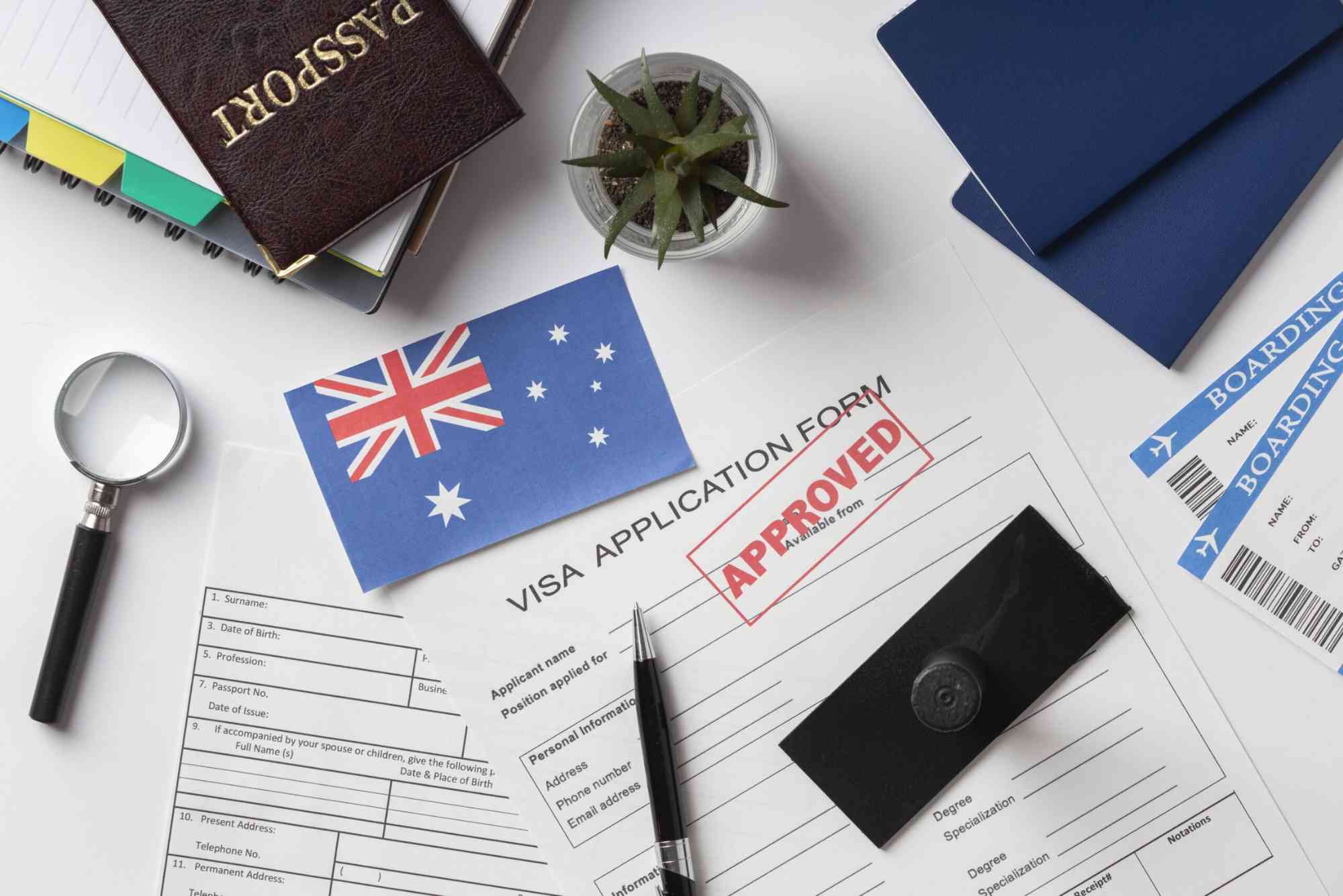

Many people in the UAE confuse “notarized documents” with “certified true copies,” assuming they are the same. In reality, they serve completely different legal purposes and are used in different situations. Understanding the difference is essential, especially when dealing with government departments, banks, courts, property transactions, or overseas embassies. A Notary Public Dubai handles both processes, but the nature, legal effect, and requirements for each are distinct.
Below is a complete 1500-word explanation of what notarization means, what certified true copies are, the differences between the two, and why professional guidance — often provided by Dubai lawyers — helps ensure accuracy and avoid delays.
Understanding the Basics: Two Different Legal Functions
Before going into the differences, it is important to understand the legal purpose of both processes.
Notarization
Notarization means that a Notary Public verifies:
- The identity of the person signing the document
- That the person is willingly signing
- That the content has been acknowledged by the signer
- That the signatures are genuine
- That the document is legally acceptable
A notarized document becomes an official legal instrument and is often enforceable in courts.
Certified True Copy
A certified true copy is not about signing the document. Instead, it confirms that:
- The copy you are submitting is a genuine copy of the original
- The original document was examined and verified
- This does not make the content legally binding — it only certifies that the copy is accurate and genuine.
When Is Notarization Required?
A document typically needs notarization when:
- It establishes legal authority
- It creates obligations
- It transfers rights
- It grants permission
- It assigns power to another person
- It documents an agreement
It creates or confirms ownership
Examples include:
- Powers of Attorney
- Business partnership agreements
- Share transfer agreements
- Board resolutions
- Affidavits
- Marriage-related declarations
- Guardianship confirmations
- Settlement agreements
In all these situations, a Notary Public Dubai validates the signatures and legal intent.
When Is a Certified True Copy Required?
Certified true copies are usually needed when you must provide proof of a document without giving the original.
These situations include:
- Bank account opening
- Visa applications
- Loan applications
- School admissions
- Employment processes
- Embassy submissions
- Business licensing
Property transactions
Common documents requiring certified copies:
- Passports
- Emirates IDs
- Utility bills
- Academic certificates
- Marriage certificates
- Birth certificates
- Corporate licenses
- MOA copies
In these cases, the notary simply confirms that the copy matches the original.
Key Difference #1: Purpose
Notarized Document
Creates or confirms legal obligations.
Example:
A notarized Power of Attorney gives someone legal authority to act on your behalf.
Certified True Copy
Authenticates the accuracy of a document without altering its legal meaning.
Example:
A certified copy of your passport is used to verify your identity for official purposes.
Key Difference #2: Legal Consequence
Notarized Document
Has legal force.
It may be used in court as binding evidence.
Certified True Copy
Has no independent legal force.
It is only a mirror of the original.
Key Difference #3: Who Must Be Present
Notarization
The person signing must be physically present or join remotely (for online notarization).
Identification is mandatory.
Certified True Copy
No need for the document holder to sign anything.
You only present the original document and the copy.
Key Difference #4: Verification Level
Notarization
The notary verifies:
- Identity
- Signature
- Intent
- Voluntary action
Certified True Copy
The notary verifies:
- The copy matches the original
- The original is genuine
- That’s it — no verification of content or intent.
Key Difference #5: Use in International Processes
Many embassies require notarized documents for legal matters such as:
- Marriage abroad
- Overseas property sales
- Litigation
- Private contracts
- Certified true copies are commonly used for:
- Passport verification
- Birth certificate verification
- Identity confirmation
- Education-related submissions
Some countries require both notarization and later attestation by the Ministry of Foreign Affairs (MOFA).
Key Difference #6: Document Preparation Requirements
Notarization
You must prepare:
- A legally drafted document
- Arabic or bilingual text
- Proper identification
- Supporting attachments
- Any errors can cause rejection.
This is why many people work with Dubai lawyers, who ensure that the language, formatting, and legal requirements are accurate.
Certified True Copy
The process is simple:
- Bring the original
- Bring a photocopy
- The notary compares and certifies
- Minimal preparation is required.
Why People Often Confuse the Two
In many countries, certification and notarization are done by different professionals. But in Dubai, a Notary Public Dubai handles both. Because they are both official stamps, many assume they serve the same purpose — but the legal impact is completely different.
Examples to Clearly Show the Difference
Below are real-life examples to help you understand the difference in a simple, practical way.
Example 1: Selling Property Abroad
If you are selling property overseas, the foreign country may require:
- A notarized Power of Attorney
- A notarized sale authorization
Why?
Because the document gives legal power to another person to sign on your behalf.
A certified copy of your passport alone is not enough.
Example 2: Opening a Bank Account in Dubai
Banks often require:
Certified true copy of Emirates ID
Certified true copy of passport
Why?
They only need verification of identity — no new legal rights are created.
Example 3: Applying for a Student Visa Abroad
The foreign embassy may ask for:
- Certified copy of birth certificate
- Notarized parental consent letter
- The consent requires notarization because it gives legal permission.
- The birth certificate only needs certification.
Example 4: Starting a Company
The following may require notarization:
- MOA signing
- Corporate resolutions
- Share transfer agreements
- The following may require certified copies:
- Trade license
- Past MOA
- Passport copies
- Fee receipts
Why Notarized Documents Require Careful Drafting?
Poorly drafted documents can be rejected. A notary cannot fix legal mistakes — they only verify signatures.
A document may be rejected if it contains:
- Ambiguous wording
- Missing sections
- Incorrect translations
- Wrong names (must match passport)
- Unclear powers
- Non-compliant formatting
This is where Dubai lawyers play a critical role. They:
- Draft documents properly
- Ensure compliance with Dubai Courts rules
- Prepare bilingual versions
- Attach required documents
- Guide clients through notary procedures
- For high-value or sensitive documents, legal assistance is essential.
Why Certified True Copies Are Simpler but Important
Though simple, certified true copies ensure:
- Banks trust your identity
- Government departments accept your documents
- Employers process your file
- Embassies verify your application
- Without certification, documents may be rejected due to concerns over authenticity.
The Process for Notarization in Dubai
Steps:
- Draft document correctly
- Provide Arabic or bilingual version
- Bring identification
- Sign in front of the notary
- Pay fees
- Receive stamped document
- Remote notarization is also available through digital platforms.
The Process for Certified True Copies
Steps:
- Bring the original
- Bring a photocopy
- Notary compares both
- Notary stamps and certifies
- Pay small fee
- Receive certified copy
- There is no signing required.
Costs: Notarization vs Certification
Notarization fees are generally higher because:
- It involves legal authority
- Requires identity verification
- Carries legal liability
- Certified true copies cost much less because the process is quicker and simpler.
International Use of Notarized and Certified Copies
Many countries require:
- Notarization
- Attestation by MOFA
- Embassy legalization
- For example:
- Canada
- UK
- India
- Philippines
- European nations
- Notarization is usually required before international attestation.
Final Thoughts
The difference between a notarized document and a certified true copy in the UAE is significant. A Notary Public Dubai can provide both services, but they serve very different legal purposes. Notarized documents create or confirm legal authority, while certified true copies merely confirm the authenticity of original documents.
In matters involving property, business, financial commitments, guardianship, and legal agreements, notarization is essential. For identity verification, bank processes, visa applications, or routine documentation, certified true copies are typically required.
Understanding this distinction helps avoid complications, delays, and rejected applications. With the guidance of experienced Dubai lawyers, individuals and businesses can ensure that the correct process is followed and that every document meets the legal standards required in the UAE.
NOTE: